Is it too cold for your dog? Signs to watch out for during winter
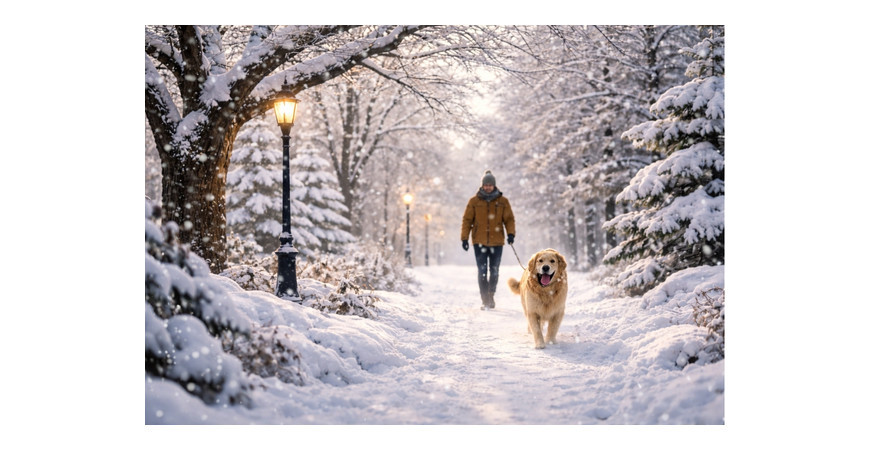


Signs to watch out for during winter
Signs to watch out for during winter
Topics covered:
Durante l’inverno, le passeggiate restano un momento importante di relazione e benessere per il cane. Dopo diverse settimane di freddo, però, anche uscite brevi possono diventare più impegnative, soprattutto per quei cani che tendono a essere più sensibili alle basse temperature.
Alcuni soggetti – come i cani più anziani, di piccola taglia o con una conformazione particolare – possono disperdere calore più rapidamente e faticare di più a respirare aria fredda e secca. In questi casi, il disagio non sempre è immediato o evidente all’esterno, ma può emergere una volta rientrati in casa.

Toki recommends: If you want to understand how seasonal changes affect your pet's breathing, you can also read our in-depth article on autumn air and coughing in pets.
Dogs do not always express discomfort in an obvious way, but there are small signs in their behaviour that are worth paying attention to, especially after exposure to the cold. After a winter walk, be mindful if you notice:
If these signs persist, it’s helpful to reduce exposure to the cold and help the dog recover calmly, without forcing them.
Once back inside, small targeted actions help your dog relax and recover more quickly:
👉 If your dog is elderly, small in size, or has known respiratory sensitivity, these precautions become even more important.
In some cases, especially after exposure to the cold or in the presence of very dry air, breathing may remain more laboured even after returning inside.
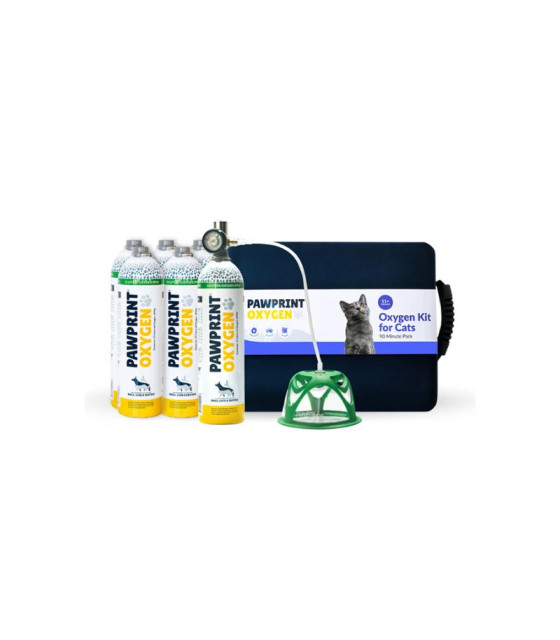
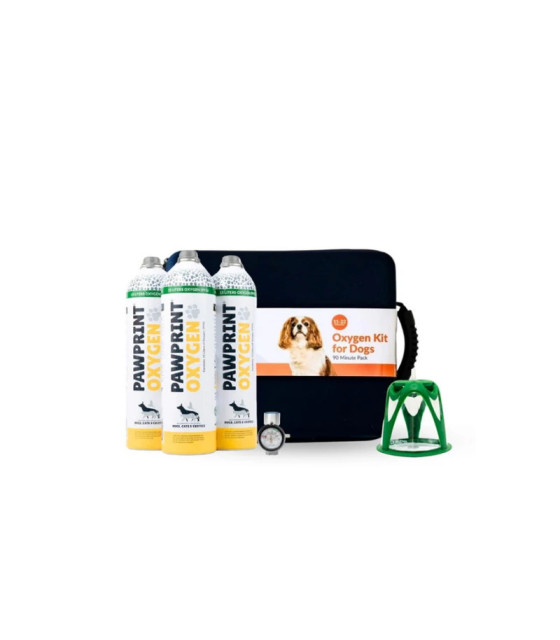
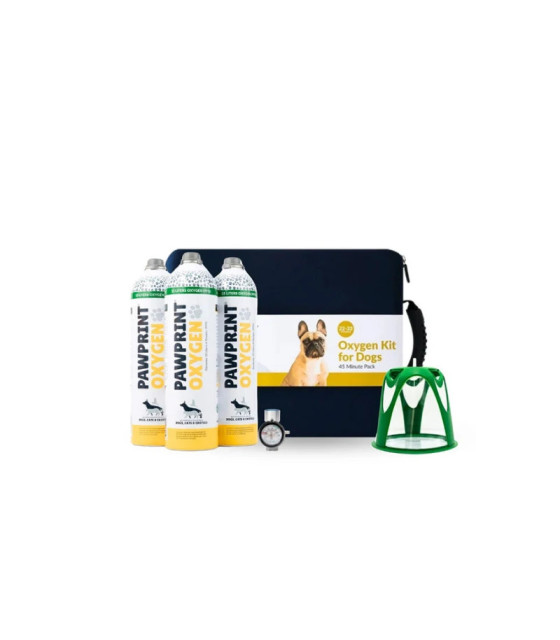
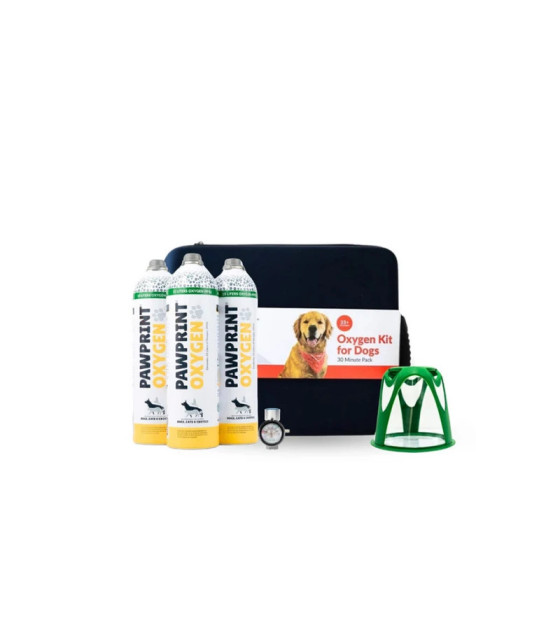
During these delicate moments, offering support can help the dog regain calm and comfort. Having a ready-to-use oxygen kit means you can provide support when breathing seems more difficult, calmly and without adding stress. This is not about replacing the veterinarian's advice, but about supporting the dog in their recovery, especially during the colder months.
Toki recommends: Think of oxygen support as a seasonal resource, to have on hand like an extra blanket during the winter: it’s not always needed, but it’s reassuring to have when the cold challenges your pet’s breathing.
To continue going out during the colder months, without giving up on exercise:
With a bit more attention, winter can remain a season to enjoy together, without overexerting your dog’s body.
Winter cold is not always a problem, but it can become one if underestimated. Recognising the signs, aiding recovery, and preparing for moments of need is the best way to support your dog during the colder months, with calmness and care. In the next article, we will discuss how winter affects your pet's breathing even indoors, with dry air and domestic heating.
.svg)
Toki Pet Shop is a brand of the OxyStore group, a leader in the private market for services and products for respiratory disorders.
Please sign in first.
Sign in
Create a free account to save loved items.
Sign inCreate a free account to use wishlists.
Sign in