Is Your Cat Struggling to Breathe? Here’s How to Spot the Signs and What You Can Do

How to Observe and When to Take Action

How to observe and when to take action
Topics covered:
Even though cats are masters at hiding discomfort, respiratory issues are something we should never overlook. Recognising when their breathing is altered, identifying warning signs and knowing how to respond can make all the difference, especially in more delicate moments.
Cats don’t tend to complain easily, and they often tolerate minor discomfort without showing any obvious signs. However, if you notice rapid, laboured or noisy breathing, it’s important to pay close attention. The most common signs of respiratory difficulty in cats include:
If your cat shows one or more of these signs, observe them carefully and contact your vet.

Some cats may be more prone to respiratory issues due to anatomical or genetic characteristics. For example:
Being aware of these predispositions can help you respond more promptly when needed.
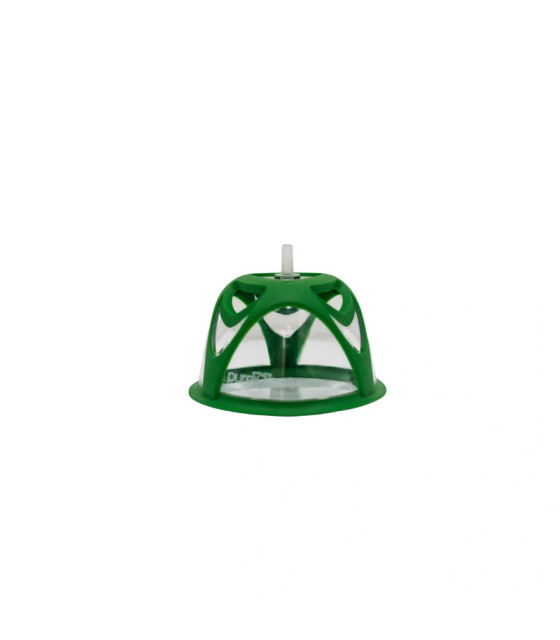
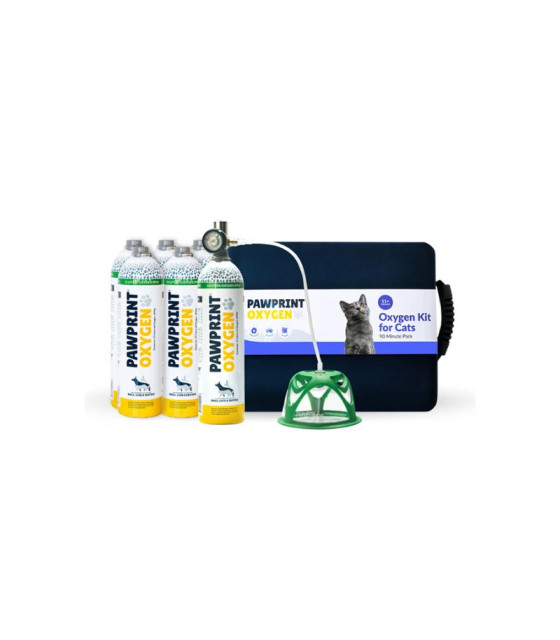
On Toki Pet Shop, you can find oxygen kits designed specifically for cats, with veterinary oxygen masks suited to their facial shape and smaller size. They are easy to use, require no electricity, and can offer valuable support in more delicate moments.
How do I know if my cat needs oxygen?
If their breathing becomes laboured, noisy, or if you notice unusual fatigue, they may need immediate support. Contact your vet and consider using the oxygen kit.
Is the kit easy to use on your own?
Yes. Our kits are designed to be simple and intuitive, even for those with no veterinary experience.
Discover more FAQs on the product page — click here.
.svg)
Toki Pet Shop is a brand of the OxyStore group, a leader in the private market for services and products for respiratory disorders.
Please sign in first.
Sign in
Create a free account to save loved items.
Sign inCreate a free account to use wishlists.
Sign in